The Mumbai SaaS Blueprint: Scaling from Local Hub to $10M ARR
Published on January 14, 2026

Yash Shinde
Jan 14, 2026 • 12 min read
Mumbai has emerged as a serious global contender in the SaaS space. From FinTech in BKC to DevTools in Powai, Mumbai-based software companies are scaling aggressively. But at the Rs. 1 crore ARR mark, many reach a plateau. The product is proven, the team is strong, but growth stalls because the distribution engine has not kept pace with product quality. Breaking through to Rs. 10 crore ARR requires a marketing infrastructure as sophisticated as your codebase.
Mumbai's SaaS Market: Industries and Opportunities
Mumbai's SaaS ecosystem is concentrated in a few high-value verticals, each with distinct buyer personas and competitive dynamics.
FinTech and BFSI Software: Mumbai is India's undisputed financial capital, creating massive demand for compliance automation, wealth management platforms, insurance tech, and lending software. Buyers in this vertical have high ACVs but long sales cycles. Content marketing and thought leadership through LinkedIn and industry publications are the primary trust-building channels before a demo request.
HR-Tech and Workforce Management: Mumbai's large corporate headquarters cluster creates strong demand for HR software, payroll automation, and employee engagement platforms. Decision-makers in Mumbai corporates respond well to case studies featuring peers from comparable industries, and G2 and Capterra reviews carry significant weight in evaluation.
Supply Chain and Logistics Software: Given Mumbai's role as India's primary trade gateway, supply chain visibility software, freight management platforms, and warehouse management systems have strong buyer concentrations in Mumbai. LinkedIn outreach to supply chain heads and procurement managers is the most direct path to qualified demos.
LegalTech and Compliance: Mumbai's density of law firms, corporate legal departments, and regulatory bodies creates demand for contract management, legal research, and compliance monitoring tools. This is an underserved SaaS vertical in India with low competition and high willingness to pay.
1. Technical SEO for Topical Authority
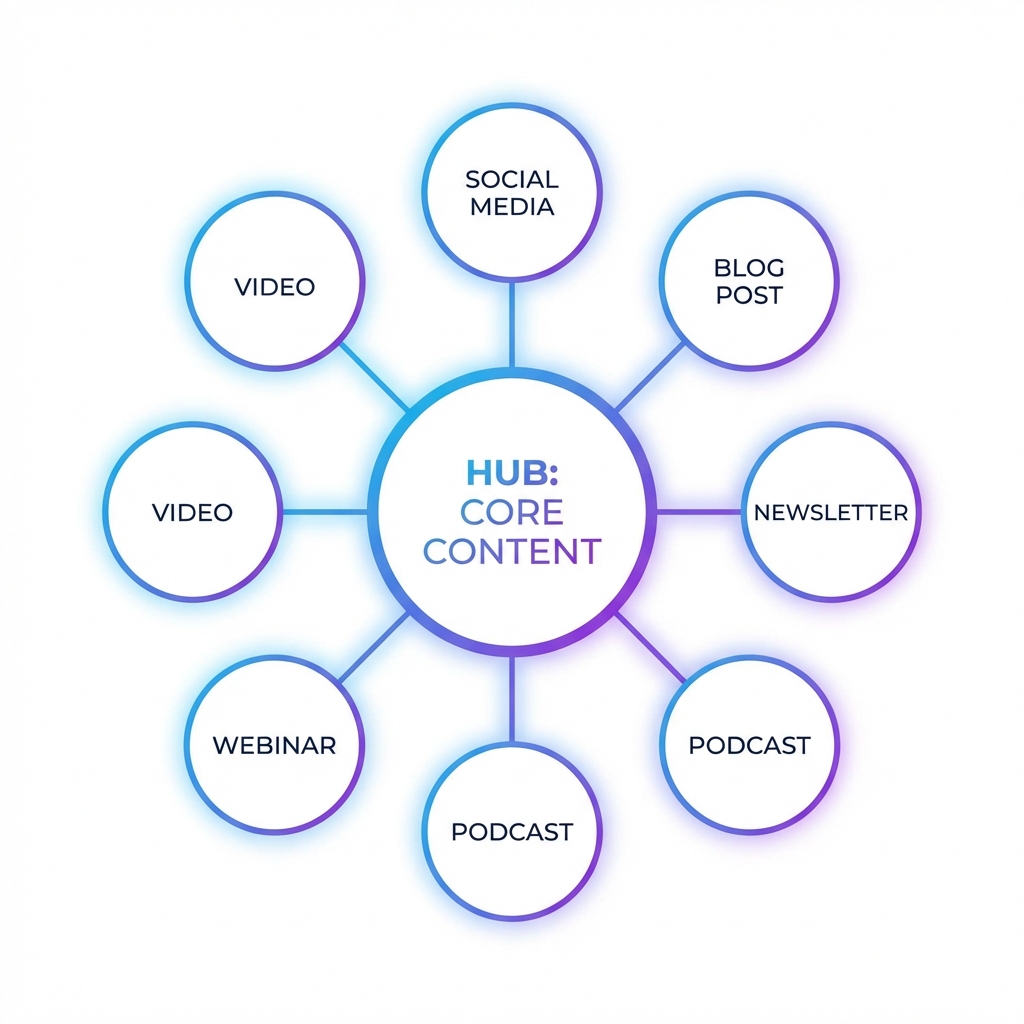
In SaaS, search keywords are expensive and competitive. The brands that own category pages organically have a structural cost advantage over those relying entirely on paid acquisition. We help Mumbai software firms build a Hub and Spoke content system that targets the entire user journey, from high-level awareness (what is contract lifecycle management) to bottom-of-funnel comparison terms (best contract management software India pricing). This builds long-term organic equity that ad spend alone cannot replicate.
For Mumbai SaaS companies, the most valuable organic content is industry-specific and problem-specific rather than generic. A piece on "GST reconciliation challenges for Mumbai textile exporters" will outperform "GST software features" for qualified buyer traffic because it demonstrates precise understanding of the buyer's context. This specificity is what Google's Helpful Content system rewards.
The Mumbai SaaS Marketing Stack
A well-functioning Mumbai SaaS marketing stack integrates content, paid, and product-led growth into a unified acquisition engine. The core components:
- CRM: HubSpot or Salesforce for lead tracking, MQL to SQL handoffs, and closed-loop revenue attribution
- Review platforms: G2 and Capterra profiles with 20 or more verified reviews are essential before scaling paid search (buyers check these during evaluation)
- LinkedIn: Primary channel for Mumbai enterprise B2B outreach and thought leadership; Sales Navigator for targeted outreach to decision-makers at companies in your ICP
- Google Ads: High-intent search campaigns for category keywords and competitor brand terms
- Content marketing: 6-8 SEO-optimised articles per month targeting buyer-journey queries across your category
2. Aggressive Content Scaling with AI
Scaling a SaaS content programme to 100 or more high-quality articles is a 12-18 month undertaking at traditional production rates. Our HITL AI workflow allows Mumbai SaaS teams to compress this timeline significantly without sacrificing the technical depth and accuracy that SaaS buyers require. The key is using AI for structure, research aggregation, and first-draft generation while keeping product experts in the loop for accuracy review and proprietary insight injection.
3. High-Intent Paid Acquisition
We do not simply "run ads." We build intent-based acquisition funnels. By balancing Google and Meta spend based on buyer journey stage, we ensure that your sales team is receiving high-quality MQLs and SQLs consistently. For most Mumbai B2B SaaS companies, Google Search Ads for solution-aware queries generate the highest-intent demos, while LinkedIn retargeting and thought leadership ads maintain top-of-mind presence with warm prospects evaluating multiple solutions.
Product-Led Growth for Mumbai SaaS Companies
The fastest-growing Mumbai SaaS companies are building product-led growth (PLG) motions alongside their traditional sales-led growth. A well-designed freemium tier or free trial acts as both a lead generation mechanism and a product experience that sells itself. PLG works best when the product's core value is demonstrable within the first user session, the upgrade path is natural and frictionless, and viral or collaborative elements invite other team members to join.
For Mumbai SaaS companies targeting Indian SMBs, freemium has a particular advantage: SMB buyers are highly price-sensitive and prefer to evaluate before committing. A free tier that provides genuine value (not a crippled demo) builds trust, reduces sales cycle length, and generates organic word-of-mouth within Mumbai's tightly networked startup community.
4. Conversion Rate Optimization
A 1% increase in demo sign-up rate on a pricing page receiving 5,000 monthly visitors generates 50 additional demo requests per month. At a 20% close rate and a Rs. 60,000 ACV, that single percentage point improvement generates Rs. 6,00,000 in additional annual recurring revenue from the same traffic. We implement proven landing page tweaks to ensure every rupee of ad spend and every organic visitor is working as hard as possible toward conversion.
"SaaS growth is a game of compound interest. Start building your authority today, or pay for it forever."
Conclusion
Mumbai's SaaS ecosystem is thriving, and the companies that invest in systematic, multi-channel distribution now will be the category leaders three years from now. If you're ready to engineer your growth and hit the Rs. 10 crore ARR milestone, VSS is your growth partner with a proven playbook for Indian SaaS distribution. Review our SaaS Case Studies to see the results we have achieved for Mumbai and Maharashtra-based software companies.
Frequently Asked Questions
- What are the most effective growth channels for B2B SaaS companies based in Mumbai?
- Mumbai B2B SaaS companies typically find the strongest growth through SEO-driven content targeting industry-specific pain points, Google Ads for high-intent purchase keywords, and LinkedIn outreach targeting decision-makers in their vertical. Product-led growth strategies with a free trial or freemium tier work particularly well in Mumbai's competitive tech market, as they reduce sales friction with enterprise buyers who prefer to evaluate software before committing.
- How should a Mumbai SaaS startup allocate its marketing budget between SEO and paid ads?
- Early-stage Mumbai SaaS startups should invest 60 to 70 percent of their marketing budget in content SEO and thought leadership, with 30 to 40 percent in targeted Google and LinkedIn Ads. SEO builds compounding organic traffic that reduces CAC over time, while paid ads provide immediate pipeline while SEO matures. By the time a SaaS company reaches Rs. 1 crore ARR, organic channels should be contributing at least 40 percent of new leads.
- What churn rate should Mumbai SaaS companies target to reach Rs. 10 crore ARR?
- Mumbai SaaS companies targeting Rs. 10 crore ARR should aim for monthly churn below 2 percent, which translates to approximately 22 percent annual churn. Best-in-class SaaS businesses keep monthly churn below 1 percent. High churn turns growth into a leaky bucket: a company with 5 percent monthly churn needs to acquire 60 percent of its customer base every year just to stay flat. Investing in onboarding, customer success, and product-market fit pays higher returns than aggressive acquisition spend.
Related Reading
Mumbai SEO Dominance
How local authority translates to global SaaS rankings.
SaaS Landing Page Tweaks
5 tactics to double your demo sign-up rates.