
Search behavior is changing. People still use Google in the traditional way, but they are also asking longer, conversational questions and expecting direct answers. That shift has created a new optimization layer: answer engine optimization.
If SEO was historically about ranking blue links, answer engine optimization is about becoming the source behind the answer itself. The goal is not only to rank, but to be understood and cited inside AI-generated summaries and conversational interfaces.
What Is Answer Engine Optimization?
Answer engine optimization, often shortened to AEO, is the practice of structuring your content so AI systems can easily interpret it and use it in generated responses. That includes search experiences like Google AI Overviews, voice assistants, and other answer-first tools.
In simple terms, AEO helps your site become a preferred source when a machine needs to answer a question clearly and confidently.
Why AEO Matters Now
As search platforms become more conversational, more users get what they need directly on the results page. That means brands need visibility not just in rankings, but inside the answer layer above or around those rankings.
- Users are asking more detailed questions.
- Search engines are summarizing information for them.
- Authority now depends on clarity as much as comprehensiveness.
- Strong source content can influence both traffic and brand recall.
AEO vs Traditional SEO
Answer engine optimization is not a replacement for SEO. It sits on top of it.
Traditional SEO helps search engines discover, crawl, and rank your pages. AEO helps AI systems extract and reuse your ideas accurately. You still need technical SEO, strong internal linking, useful content, and authority signals. But you also need answer-ready formatting and direct language.
How Answer Engines Choose Content
Different systems work differently, but most answer engines look for a mix of these signals:
- Topical relevance to the query
- Clear definitions and direct answers
- Structured headings and logical organization
- Strong trust signals, expertise, and consistency
- Supporting evidence, examples, and context
- Content freshness when the topic changes fast
7 Practical Ways to Improve Answer Engine Optimization
1. Start with a direct answer early
Put the clearest answer near the top of the page. If the query is definitional, answer it in one or two sentences before expanding into detail.
2. Use question-based headings
Many answer engines work well with content framed around real user questions. H2s like What Is Answer Engine Optimization? and Why Does AEO Matter? make extraction easier and improve skimmability for humans too.
3. Add concise definitions, lists, and steps
Bullet points, numbered steps, short definition blocks, and tables often work well because they are easier to interpret and summarize than dense walls of text.
4. Build topical clusters, not isolated pages
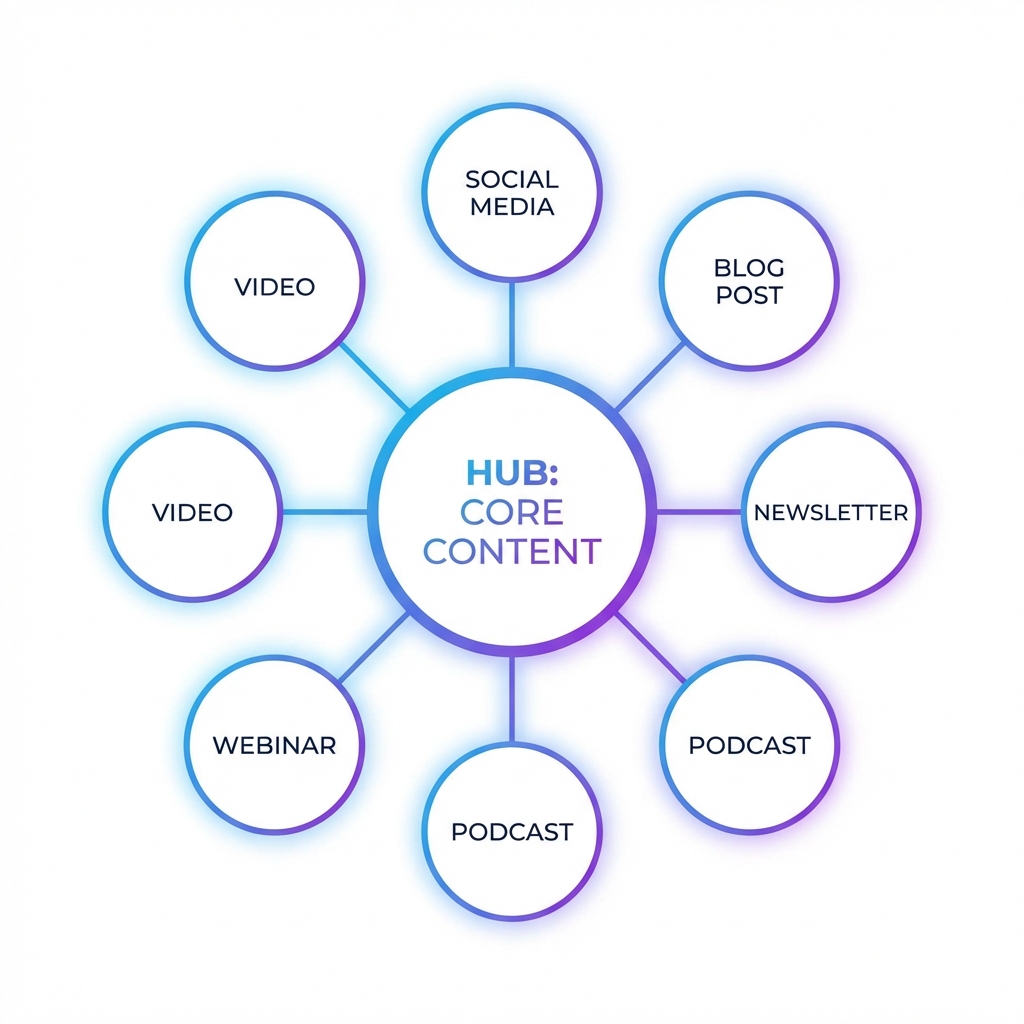
AEO works better when your site has depth. A page about answer engine optimization becomes stronger when it connects to content about hub-and-spoke SEO, structured data, AI search visibility, and content quality. Clusters help establish topical authority.
5. Keep claims grounded in experience or evidence
AI systems tend to prefer content that feels credible and specific. Use practical observations, examples, clear reasoning, and where possible, measurable outcomes.
6. Improve readability and formatting
If your page is hard to parse, machines and people both struggle. Use short paragraphs, meaningful headings, and simple language. Clarity is an advantage.
7. Support it with technical SEO
Pages still need to load fast, render properly, and be internally linked. Good AEO starts with good SEO foundations. That includes clean HTML, accurate metadata, schema where useful, and crawlable content.
What Kind of Content Performs Well for AEO?
Some formats tend to be especially effective:
- Definitions and explainers
- How-to guides
- Comparison pages
- FAQ sections
- Step-by-step processes
- Pages with strong entity clarity and supporting context
A Simple AEO Content Template
If you want a useful structure, try this:
- Clear title targeting the exact question
- Direct answer in the introduction
- Supporting explanation and why it matters
- Process, checklist, or examples
- Related FAQs or follow-up questions
- Internal links to supporting pages
What Not to Do
- Do not stuff the page with robotic question variants.
- Do not remove nuance just to sound short.
- Do not ignore technical SEO fundamentals.
- Do not rely on vague AI buzzwords without useful substance.
Final Takeaway
Answer engine optimization is really about making your expertise easier to retrieve, trust, and reuse. The brands that win will not just publish more. They will publish more clearly.
If you already have solid SEO basics, AEO is the next layer that can help your content stay visible as search becomes more answer-first and AI-assisted.
Talk to VSS if you want help building content that performs in both traditional search and AI-generated answer experiences.