In 2026, visibility requires a dual strategy: traditional SEO for Google and AI SEO for LLMs. This isn't a replacement. It's an addition. Sites optimized for both capture traffic from every major search pathway.
Why AI SEO Optimization Matters Now
Answer engines and LLMs are capturing search traffic rapidly. When someone asks ChatGPT a question, they're not visiting the sites in Google results. They're getting an AI-generated answer citing sources. If your site isn't in those sources, you lose traffic and authority signals.
AI visibility directly impacts: Brand awareness (your company gets cited), referral traffic (links from LLM responses), authority signals (being selected as a source), and market perception (being authoritative enough for AI selection).
The 5 Pillars of AI SEO Optimization
1. Content Optimization for Passage-Level Citation
LLMs cite specific passages, not entire articles. Optimize for passage-level citation by:
- Creating clear, standalone paragraphs that answer specific questions
- Using direct answers before explanations (the paragraph itself must be citation-worthy)
- Including original data, frameworks, and methodologies
- Formatting answers for easy extraction (numbered lists, definitions)
2. Brand and Topical Authority Signals
LLMs cite sources they trust. Build signals of expertise:
- Publish original research cited by others
- Build brand mentions (get cited beyond your site)
- Establish topical clusters (site depth on specific topics)
- Gain backlinks from authoritative sources
- Contribute to industry conversations across platforms
3. Structured Data and AI Readability
Structured data helps AI systems understand content relationships. Implement:
- Article schema with author, date published, content
- FAQPage schema for direct Q&A content
- BreadcrumbList for topic relationships
- Organization and LocalBusiness schema for trust signals
4. Generative Engine Optimization (GEO)
Specific practices optimize for AI Overviews and LLM responses:
- Create fact-based, well-sourced content (LLMs prefer authoritative sources)
- Include original data and research
- Use clear, direct language
- Include expert quotes and attribution
- Maintain topical depth (LLMs cite comprehensive sources)
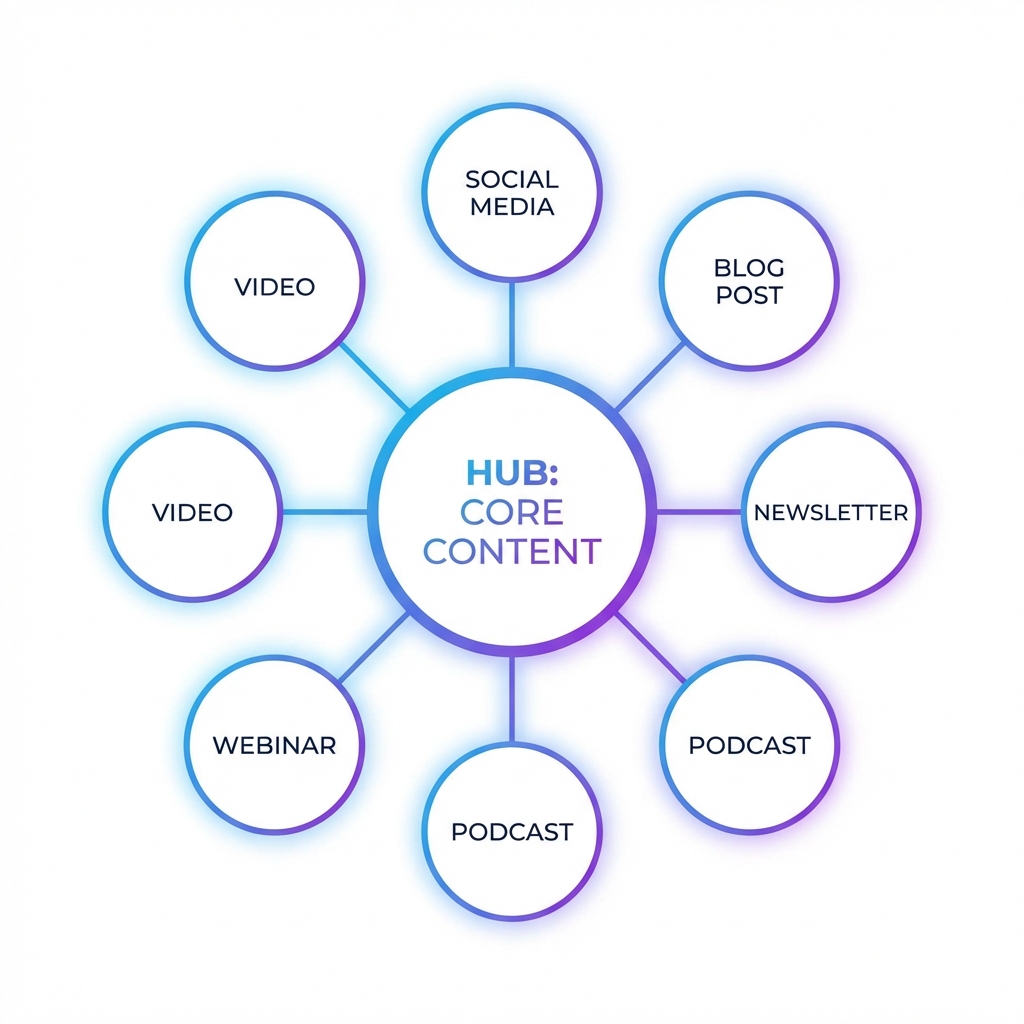
5. Multi-Platform Distribution
LLMs train on multiple sources. Increase AI citation through distribution:
- Publish on your site (primary source)
- Republish on Medium, LinkedIn (broader training data)
- Submit to industry newsletters and publications
- Create YouTube videos (training source for Gemini, Claude)
- Share in relevant communities (Reddit, industry forums)
Specific Optimization for Each Platform
Google AI Overviews: Write content that answers questions comprehensively. Ensure you're in Google's top 10 results for your topic. AI Overviews primarily cite top-ranking sources.
ChatGPT: Publish on your site and Medium. ChatGPT's training data includes common web sources. Topical authority matters most.
Claude and Perplexity: Focus on depth and originality. These models prefer comprehensive, well-researched content. Include citations and data.
Implementation Strategy
Quarter 1: Conduct AI visibility audit. Check if you're cited in ChatGPT/Perplexity responses for target keywords. Analyze citation patterns.
Quarter 2: Optimize top-performing content for passage-level citation. Add structured data. Improve authority signals.
Quarter 3: Launch multi-platform distribution strategy. Republish content on Medium, LinkedIn, industry publications.
Quarter 4: Scale what works. Double down on content generating AI citations. Measure impact on brand visibility and referral traffic.
Need AI SEO strategy? Let's optimize your site for both traditional search and AI visibility. Schedule a consultation.
Ready to implement these strategies?
Our team at VSS specializes in AI SEO. Get expert guidance tailored to your business.
Schedule Your Free Consultation